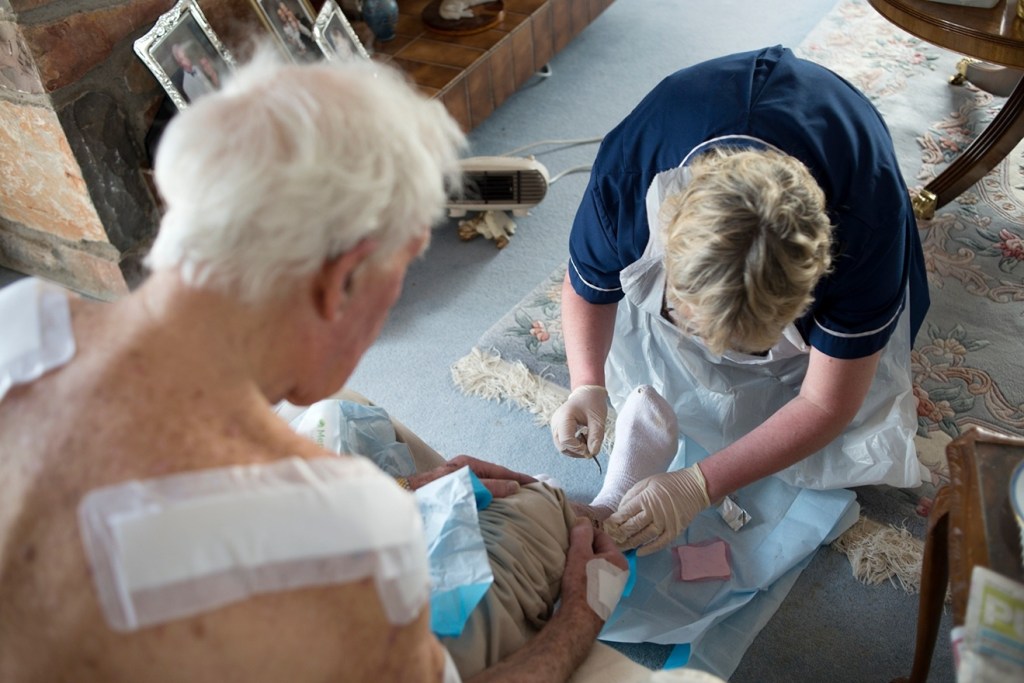
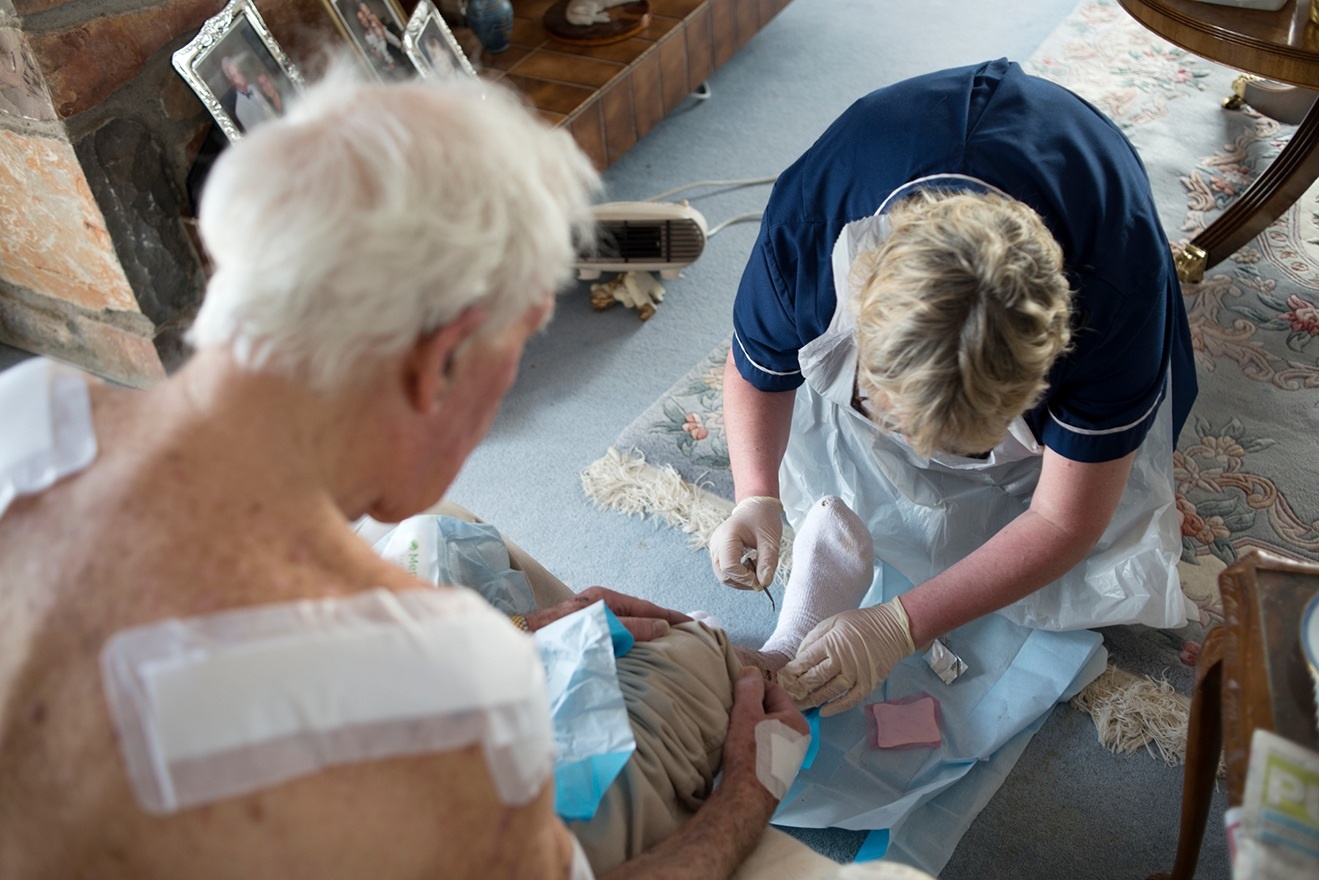
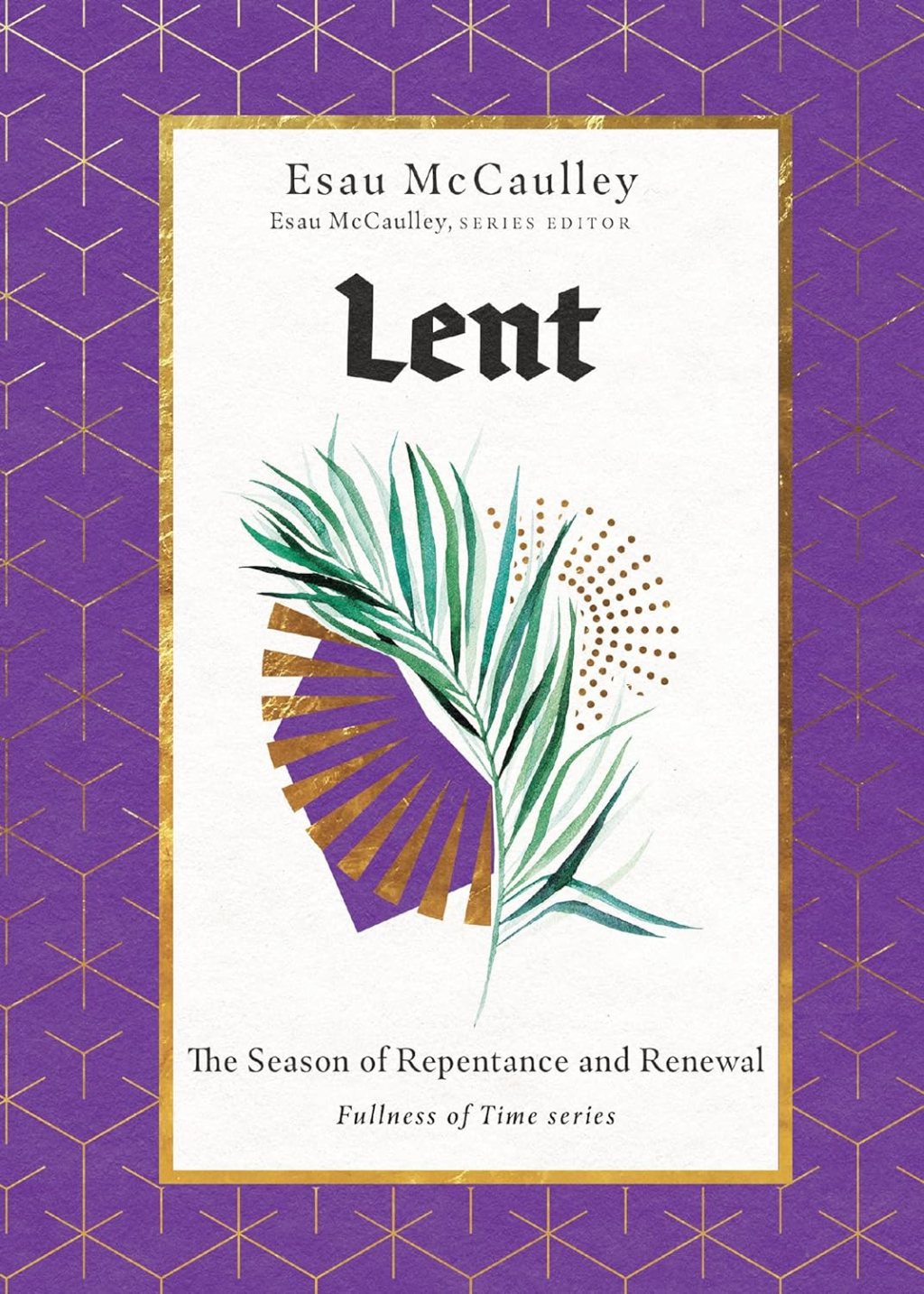
There’s a tension between the idea of nurses being professionals who are above the tasks of caring for a person and the idea of nurses, from their Christian roots, being called to serve the poor and most in need. As I’m reading Called to Care- A Christian Worldview for Nursing, I’m faced with this tension. I do believe as a Christian nurse, my calling to serve my patients is born out of Christ’s example. I’m compelled by Christ’s servant-leadership to lay down my life for my patients. That may mean taking a minute or two to rub lotion on old, cracked feet. It may mean singing Amazing Grace with a confused elderly woman to help her relax. It may mean bringing coffee and a magazine to a man grieving the loss of his wife and his own recent stroke. None of these things require a nursing degree. But as a Christian, these things are the evidences of my love for God and people born out of Christ’s love for me.
In reading Called to Care, my thinking is starting to clear about what’s been troubling me so much about nursing this last year or two. It’s the tension between the call to be professional from the world’s perspective, and the called to be a servant from Jesus’ perspective.
I do believe that the demand for nurses to be highly educated professionals who fetch high patient satisfaction scores for their facilities, are customer obsessed, highly skilled in the complex care of their patients, who document to the satisfaction of CMS and the Joint Commission stands as sort of a siren’s call to detour nurses from their calling and only ends in burned-out nurses who quit or move to less patient-care roles in nursing. If our goal as nurses is to meet the demands of all the powers that be we’ll loose sight of the calling of nursing to care for people. That doesn’t mean we wouldn’t or shouldn’t get degrees, or serve our patients in a respectful, winsome manner, or be highly skilled. It just means we don’t put the cart before the horse. The service oriented nature of the calling of nursing has to be driven by the powerful motivator of Christ’s love which serves others for their own good and God’s glory. If it’s driven by demands of various other authorities it will avoid patient care or burn out doing patient care.
The unique aspect of nursing in healthcare is the hands-on, bedside care of a person in need. Nurses cannot eliminate the care of people from what they do in nursing. Nurses are concerned with the whole person, not just the part of the person that is sick or injured. Sitting with a man who lost his wife and had a stroke in the same week to listen to his memory of playing basketball in college is just as much a part of nursing as pushing IV antibiotics. It doesn’t require a nursing degree to sit with the man, but sitting with the man is a degree of delivering true nursing care.
This kind of attentiveness to the whole person when you’re caring for 5-7 patients with complex medical conditions and multiple interventions in the hospital setting is a rare soothing balm on the sore of rushed professional nurses. Without a heart motivated to attend wholly to a person’s needs based on love the nurse who seeks to deliver such rare treatments of attentiveness will feel the crushing weight of seeking to please administration and customers and give up.
As a Christian I am compelled by the love of Christ to minister to the needs of people around me in his name. And it’s that love, the love of Christ, that keeps my flame burning and me from burning out.



 Sheila Dougal
Leave a comment